
As you plan for 2025, taking the first step toward growing your family through in vitro fertilization (IVF) is a significant and exciting decision. At Neway Fertility in NYC, we understand that each patient’s journey is unique, which is why we offer a range of IVF options tailored to your individual needs. Whether you’re looking for a more traditional approach or prefer a gentler, hormone-minimizing protocol, we provide advanced, patient-centered care to help you achieve your dream of parenthood.
What Are the Different Types of IVF?
IVF is a highly customizable fertility treatment designed to help individuals and couples overcome various fertility challenges. Neway Fertility offers three main IVF options: Conventional IVF, Natural IVF, and Mild IVF. Each approach has distinct benefits and is suited for different circumstances.
Conventional IVF
Conventional IVF is the most widely used and well-known form of IVF. It involves stimulating the ovaries with higher doses of fertility medications to produce multiple eggs.
- How It Works: Fertility medications are used to stimulate egg production, followed by egg retrieval, fertilization in the lab, and embryo transfer.
- Ideal For: Patients who want to maximize the number of embryos available for implantation or freezing, particularly those with diminished ovarian reserve or other complex fertility issues.
- Benefits: Produces a higher number of eggs, increasing the chances of successful fertilization and embryo transfer. This option is particularly beneficial for those undergoing embryo genetic testing.
While Conventional IVF is highly effective, the higher doses of medication may cause side effects such as bloating or discomfort, and the treatment typically requires regular monitoring.
Natural IVF
Natural IVF takes a minimalist approach, aligning with your body’s natural cycle and avoiding the use of stimulating medications.
- How It Works: This method retrieves the single egg that naturally develops during your menstrual cycle. The egg is then fertilized, and the resulting embryo is transferred.
- Ideal For: Patients who prefer minimal medical intervention, are unable to tolerate fertility medications, or have ethical or personal preferences for a drug-free approach.
- Benefits: Reduces the risk of side effects associated with fertility medications, minimizes the cost of treatment, and is gentler on the body.
Though Natural IVF may yield fewer eggs, it can be an excellent choice for patients seeking a more holistic and natural experience.
Mild IVF
Mild IVF serves as a middle ground between Conventional and Natural IVF, using lower doses of fertility medications to gently stimulate the ovaries.
- How It Works: Mild stimulation encourages the development of a few high-quality eggs rather than a large quantity. The process involves fewer injections and less monitoring than Conventional IVF.
- Ideal For: Patients who want a balance between effectiveness and minimal intervention or those concerned about the side effects of high-dose medications.
- Benefits: Produces fewer eggs with high quality, lowers the risk of ovarian hyperstimulation syndrome (OHSS), and reduces the physical and emotional toll of treatment.
Mild IVF offers a less intensive experience while still providing a strong chance of success.
Which IVF Option Is Right for You?
Choosing the right type of IVF depends on your medical history, fertility goals, and personal preferences. At Neway Fertility, our expert team works closely with you to design a personalized treatment plan that aligns with your needs. Our advanced technologies and compassionate care ensure that you receive the best possible support throughout your journey.
Why Choose Neway Fertility?
At Neway Fertility in NYC, we’re committed to empowering patients with knowledge and options. Whether you’re considering Conventional, Natural, or Mild IVF, we provide a supportive, state-of-the-art environment to help you succeed.
Start your fertility journey today by scheduling a consultation. Let us help you make 2025 the year you achieve your dream of building your family.

Polycystic Ovary Syndrome (PCOS) is a common hormonal disorder that affects millions of women worldwide. Among its many symptoms, one of the most challenging for women hoping to conceive is its impact on fertility. At Neway Fertility, we understand the frustrations and uncertainties that come with PCOS-related infertility. Let’s explore the connection between PCOS and fertility and discuss strategies for overcoming these challenges.
Understanding PCOS and Its Impact on Fertility
PCOS is characterized by hormonal imbalances that can disrupt the normal menstrual cycle and ovulation process. One of the hallmark features of PCOS is the presence of multiple cysts on the ovaries, which can interfere with the release of eggs (ovulation). As a result, women with PCOS may experience irregular or absent menstrual periods, making it difficult to predict ovulation and conceive naturally.
In addition to irregular ovulation, PCOS can also cause other fertility-related issues, including:
- High Levels of Androgens: Women with PCOS often have elevated levels of male hormones (androgens) such as testosterone, which can interfere with the development and release of eggs from the ovaries.
- Insulin Resistance: Many women with PCOS also have insulin resistance, a condition in which the body’s cells become less responsive to insulin, leading to high levels of insulin in the blood. Insulin resistance can disrupt ovarian function and contribute to irregular ovulation and infertility.
- Increased Risk of Miscarriage: Women with PCOS have an increased risk of miscarriage compared to women without the condition. The exact reason for this increased risk is not fully understood but may be related to hormonal imbalances and other factors.
Treatment Options for PCOS-Related Infertility
While PCOS-related infertility can be challenging, it is not insurmountable. At Neway Fertility, we offer a range of treatment options to help women with PCOS achieve their dream of becoming parents:
- Ovulation Induction: Ovulation induction involves taking medications such as clomiphene citrate or letrozole to stimulate ovulation and improve the chances of conceiving. These medications can help regulate the menstrual cycle and increase the likelihood of ovulation in women with PCOS.
- Intrauterine Insemination (IUI): Intrauterine insemination involves placing sperm directly into the uterus around the time of ovulation to increase the chances of fertilization. IUI may be recommended for women with PCOS who have difficulty conceiving naturally or who have other fertility factors.
- In Vitro Fertilization (IVF): In vitro fertilization is a highly effective fertility treatment that involves fertilizing eggs with sperm in a laboratory and transferring the resulting embryos into the uterus. IVF may be recommended for women with PCOS who have not had success with other treatments or who have additional fertility challenges.
- Lifestyle Modifications: In addition to medical treatments, lifestyle modifications such as maintaining a healthy weight, eating a balanced diet, exercising regularly, and managing stress can help improve fertility outcomes in women with PCOS.
PCOS-related infertility can be a challenging and emotionally taxing journey, but you don’t have to face it alone. At Neway Fertility, we are here to provide compassionate care and personalized treatment options to help you overcome PCOS-related fertility obstacles and achieve your dream of parenthood. If you are struggling with PCOS-related infertility, do not hesitate to reach out to our experienced team for support and guidance at our clinic in NYC. Together, we can navigate the path to parenthood and help you welcome your bundle of joy into the world.

Egg freezing has emerged as a groundbreaking option for women who wish to preserve their fertility and have more control over their reproductive futures. At Neway Fertility, we understand the importance of providing comprehensive information and advanced techniques to empower our patients in their fertility journey. Here is everything you need to know about egg freezing, from the procedure and process to our innovative approaches at Neway Fertility.
Egg freezing, also known as oocyte cryopreservation, is a fertility preservation technique that involves retrieving a woman’s eggs, freezing them and storing them for future use. This allows women to preserve their fertility and have the option to conceive later in life when they are ready to start a family. Egg freezing can be particularly beneficial for women who wish to delay childbearing due to career goals, medical reasons or personal circumstances.
The Egg Freezing Process
The egg-freezing process typically begins with ovarian stimulation, where the woman undergoes hormone injections to stimulate her ovaries to produce multiple eggs. This involves daily hormone injections and sometimes other medications to suppress natural ovulation and control the timing of egg maturation. This usually takes 7-10 days of hormone therapy before the eggs can be retrieved.
Throughout the ovarian stimulation process, the woman’s hormone levels and ovarian response are closely monitored through blood tests and ultrasound examinations. Once the eggs reach optimal maturity, a transvaginal ultrasound-guided egg retrieval procedure is performed to collect the eggs from the ovaries. This minimally invasive procedure is usually performed under sedation or anesthesia.
After retrieval, the eggs are immediately evaluated and prepared for freezing. At Neway Fertility, we utilize advanced vitrification techniques for flash freezing, which involves rapidly cooling the eggs to ultra-low temperatures to prevent ice crystal formation and preserve their viability. Vitrification is a highly effective method of egg freezing that has revolutionized the field of fertility preservation.
Innovative Approaches at Neway Fertility
At Neway Fertility, we are committed to offering the most advanced techniques and personalized care to our patients. In addition to traditional egg-freezing methods, we also offer egg freezing with in vitro maturation (IVM) for patients who may benefit from lower-dose hormone therapy before egg retrieval. IVM is a cutting-edge technique that involves retrieving immature eggs from the ovaries and maturing them in the laboratory before freezing. This approach may be suitable for women with certain medical conditions or those who prefer to minimize the use of fertility medications.
Our experienced fertility specialists at Neway Fertility will work closely with each patient to develop a customized egg-freezing treatment plan tailored to their individual needs and preferences. We prioritize safety, efficacy and patient comfort throughout the egg-freezing process and are dedicated to providing compassionate support and guidance every step of the way.
Planning for the Future
Egg freezing offers women the opportunity to take control of their fertility and preserve their options for the future. Whether you are considering egg freezing for personal or medical reasons, it is essential to consult with a qualified fertility specialist to explore your options and make informed decisions about your reproductive health.
At Neway Fertility, we are here to support you on your fertility journey and provide the information, guidance and expertise you need to make the best choices for your future. If you are interested in learning more about egg freezing or other fertility preservation options, contact us today to schedule a consultation. Call our office in NYC to book your appointment.

When it comes to fertility assessment, semen analysis stands as a cornerstone in evaluating male reproductive health. This comprehensive test provides valuable insights into the quality and quantity of sperm, shedding light on potential factors that may impact fertility. Understanding what semen analysis reveals about sperm health is crucial for individuals and couples navigating the journey toward conception. At Neway Fertility, we understand the intricacies of semen analysis and what it can reveal about your sperm health and fertility.
Sperm Count: Quantity Matters
One of the key parameters assessed in semen analysis is sperm count, which refers to the number of sperm present in a given sample. A healthy sperm count is essential for fertility, as it increases the likelihood of successful fertilization. Low sperm count, known as oligospermia, can significantly affect fertility and may require further evaluation and intervention. Semen analysis provides valuable information about sperm count, allowing our fertility specialists to identify potential issues and develop personalized treatment plans.
Sperm Motility: The Journey to Fertilization
In addition to quantity, sperm motility plays a crucial role in fertility. Motility refers to the ability of sperm to move effectively through the female reproductive tract toward the egg. Semen analysis assesses sperm motility by analyzing the percentage of sperm that exhibit forward movement. High sperm motility increases the chances of sperm reaching and fertilizing the egg, while poor motility may hinder fertilization. Understanding sperm motility through semen analysis provides valuable insights into male fertility potential.
Sperm Morphology: Shape Matters
The morphology of sperm, or their size and shape, is another important aspect evaluated in semen analysis. Sperm with abnormal morphology may have difficulty penetrating the egg, leading to reduced fertility. Semen analysis provides detailed information about the percentage of sperm with normal morphology, allowing our fertility experts to assess the overall health and viability of sperm. Abnormal sperm morphology may indicate underlying issues that require further investigation and treatment.
Semen Volume and pH: Factors Affecting Fertility
Apart from sperm parameters, semen analysis also includes assessments of semen volume and pH level. Semen volume reflects the amount of fluid ejaculated during ejaculation, while pH level indicates the acidity or alkalinity of semen. Deviations from normal values in semen volume or pH may indicate underlying conditions, such as infections or hormonal imbalances, which can affect fertility. Semen analysis helps identify these factors, enabling our team at Neway Fertility to address them effectively.
Empowering the Male Fertility Journey
Semen analysis serves as a vital tool in assessing male fertility health and identifying potential barriers to conception. By examining parameters such as sperm count, motility and other factors, semen analysis provides comprehensive insights into sperm health. Armed with this information, individuals and couples can make informed decisions and explore appropriate fertility treatments tailored to their needs. At Neway Fertility, we understand the importance of semen analysis in the fertility journey and are committed to providing compassionate care and personalized solutions to help you achieve your dream of parenthood. Contact our office in NYC to schedule your fertility consultation to determine if a semen analysis could be the first step in determining your fertility treatment plan.

Female infertility, defined as the inability to conceive after one year of regular, unprotected intercourse, can have various underlying causes. Understanding these potential factors is essential for diagnosing and addressing infertility issues. Here are nine possible causes of female infertility:
1. Ovulation Disorders
Irregular or absent ovulation, known as anovulation, is a common cause of female infertility. Ovulation disorders can result from hormonal imbalances, polycystic ovary syndrome (PCOS), thyroid disorders, or ovarian dysfunction.
2. Fallopian Tube Blockage
Blockages or damage to the fallopian tubes can prevent the egg from traveling from the ovaries to the uterus for fertilization. This may result from pelvic inflammatory disease (PID), endometriosis, previous surgeries, or pelvic adhesions.
3. Endometriosis
Endometriosis occurs when tissue similar to the lining of the uterus grows outside the uterus, often affecting the ovaries, fallopian tubes, and pelvic organs. This condition can cause inflammation, scarring, and adhesions, leading to infertility.
4. Uterine Fibroids
Uterine fibroids are noncancerous growths that develop in the uterus. Depending on their size and location, fibroids can interfere with implantation or block the fallopian tubes, affecting fertility.
5. Age-Related Decline in Fertility
As women age, the quality and quantity of their eggs decline, reducing the chances of successful conception. Advanced maternal age, typically defined as over 35, is associated with decreased fertility and an increased risk of pregnancy complications.
6. Polycystic Ovary Syndrome (PCOS)
PCOS is a common hormonal disorder characterized by irregular menstrual cycles, excess androgen levels, and multiple cysts on the ovaries. PCOS can disrupt ovulation and affect fertility.
7. Thyroid Disorders
Thyroid disorders, such as hypothyroidism or hyperthyroidism, can disrupt the menstrual cycle and interfere with ovulation, leading to infertility. Proper thyroid function is essential for reproductive health.
8. Pelvic Inflammatory Disease (PID)
PID is an infection of the female reproductive organs, usually caused by sexually transmitted bacteria. Untreated PID can cause scarring and damage to the fallopian tubes, increasing the risk of infertility.
9. Unexplained Infertility
In some cases, despite thorough evaluation, the cause of infertility remains unexplained. This can be frustrating for couples, but ongoing research and advancements in reproductive medicine may offer new insights and treatment options.
Seeking Diagnosis and Treatment
If you suspect infertility, it’s essential to seek evaluation and treatment from a reproductive specialist or fertility doctor, like our team at Neway Fertility. A comprehensive fertility evaluation may include medical history, physical examination, hormone testing, imaging studies and diagnostic procedures such as ovarian reserve testing or hysterosalpingography (HSG). Based on the findings, treatment options such as ovulation induction, intrauterine insemination (IUI), in vitro fertilization (IVF) or surgical interventions may be recommended to address underlying causes of infertility and improve the chances of conception.
Female infertility can result from various factors, including ovulation disorders, fallopian tube blockages, endometriosis, uterine abnormalities, age-related decline in fertility, hormonal imbalances, thyroid disorders, pelvic infections, or unexplained causes. By understanding these potential factors and seeking timely evaluation and treatment, couples struggling with infertility can explore options to overcome barriers to conception and fulfill their dream of starting a family. If you are experiencing female infertility, contact Neway Fertility in NYC to schedule your fertility evaluation.
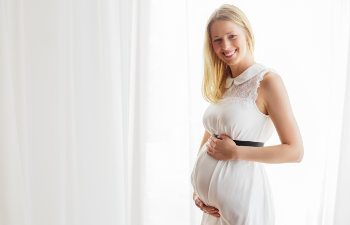
Natural Cycle In Vitro Fertilization (IVF) has emerged as a promising alternative to traditional IVF procedures, offering several advantages for couples struggling with infertility. Unlike conventional IVF, which involves high doses of fertility medications to stimulate the ovaries, natural cycle IVF works with a woman’s natural menstrual cycle. This innovative approach has gained popularity for its reduced medical interventions, lower costs and increased focus on the natural reproductive process.
1. Minimized Medication and Side Effects
One of the primary advantages of natural cycle IVF is the avoidance or significant reduction of fertility medications used in traditional IVF. Standard IVF often requires the administration of hormonal drugs to stimulate the ovaries and produce multiple eggs. Natural cycle IVF relies on the naturally selected egg, minimizing the potential side effects associated with high doses of fertility medications. This approach is particularly appealing to women who may be sensitive to or have concerns about the side effects of fertility drugs.
2. Lower Cost
Natural cycle IVF is generally more cost-effective than traditional IVF due to the reduced need for fertility medications and monitoring. The expenses associated with purchasing and administering stimulating drugs are a significant portion of the overall IVF cost. By relying on the natural cycle, patients can experience a more budget-friendly option while still pursuing fertility treatment.
3. Reduced Health Risks
The lower use of fertility medications in natural cycle IVF minimizes the potential health risks associated with ovarian hyperstimulation syndrome (OHSS). OHSS is a condition that can occur when the ovaries respond excessively to fertility drugs, leading to swelling, pain and in severe cases, more serious complications. Natural cycle IVF eliminates the risk of hyperstimulation, promoting a safer fertility treatment option.
4. Less Physiological Stress
Natural cycle IVF aligns with the body’s natural hormonal fluctuations, reducing the physiological stress often associated with artificial hormonal stimulation. The gentler approach of natural cycle IVF can be less taxing on a woman’s body, both physically and emotionally, making it a more comfortable experience for some individuals.
5. Focus on Quality, not Quantity
Traditional IVF aims to retrieve multiple eggs to increase the chances of successful fertilization. In contrast, natural cycle IVF focuses on the quality of the single egg naturally produced during the menstrual cycle. This can be particularly beneficial for women with a low ovarian reserve or those seeking a more patient-centered approach that prioritizes the health of both the mother and potential child.
6. Shortened Treatment Timeline
Natural Cycle IVF typically has a shorter treatment timeline compared to conventional IVF, as it does not involve the extended period of ovarian stimulation. This can be advantageous for patients seeking a more streamlined and less time-consuming fertility treatment process.
Natural cycle IVF offers a range of advantages for some patients, including reduced medication, lower costs, minimized health risks and a focus on the natural reproductive process. As fertility treatment options continue to evolve, natural cycle IVF stands out as a viable and patient-friendly alternative for patients navigating the challenging journey of infertility. If you want to explore whether natural cycle IVF is right for you, contact our team at Neway Fertility in NYC to schedule a consultation.

For male cancer patients facing treatments like chemotherapy, radiation or surgeries that may impact their fertility, sperm banking presents a crucial opportunity to preserve the possibility of having biological children in the future. Here is why sperm banking is an important consideration for male cancer patients, even if starting a family is not an immediate priority.
Preservation of Fertility
For many individuals, the prospect of passing on their genetic legacy is significant. Sperm banking ensures that the patient’s genetic material is stored, providing the possibility of having biological children in the future, even after cancer treatments that might impact fertility.
Cancer treatments, while crucial for combating the disease, can have adverse effects on fertility. Chemotherapy and radiation therapy can damage sperm production or cause infertility by affecting the testicles’ function. Surgery in certain cases, such as for testicular cancer, might also impact sperm production. Sperm banking allows male cancer patients to store their sperm before undergoing treatments that might compromise their fertility, preserving the chance to have biological children later on.
Future Family Planning
Sperm banking offers reassurance and options for future family planning. Cancer diagnosis and treatment can be emotionally overwhelming, and considering the possibility of future parenthood may bring comfort to individuals facing these challenges. Banking sperm allows patients to focus on their treatment without worrying about potential infertility consequences.
Treatment Timeline and Fertility Preservation
Fertility preservation procedures should ideally occur before starting cancer treatments. However, some cancer diagnoses may require immediate treatment, leaving little time to explore fertility preservation options. Sperm banking offers a relatively quick and non-invasive process that can be completed in a short time frame, allowing patients to preserve their sperm even if treatment must begin urgently.
Peace of Mind and Emotional Well-being
Fertility preservation through sperm banking can alleviate some of the emotional distress associated with cancer diagnosis and treatment. It provides a sense of control over one’s future and offers peace of mind, knowing that options for having a family are safeguarded, regardless of the fertility-related side effects of cancer treatments.
Supporting Partner’s Fertility Treatment
For patients in relationships, sperm banking can be crucial in supporting their partner’s fertility treatment options. Preserved sperm can be used for assisted reproductive techniques such as in vitro fertilization (IVF) or intrauterine insemination (IUI), offering alternatives to conceive when natural conception might not be possible due to cancer treatments.
Sperm banking is a relatively simple and safe process that involves collecting and freezing sperm samples for future use. It allows male cancer patients to store their sperm for an extended period, sometimes indefinitely, depending on the storage facility’s regulations. Discussing fertility preservation options with a reproductive specialist early in the cancer treatment journey is essential to ensure timely and appropriate measures are taken to safeguard future fertility possibilities.
If you are a male facing cancer treatments and you are concerned about the impact on your fertility, come see us at Neway Fertility. We offer advanced sperm preservation methods that can be completed in a brief office visit. Contact our clinic in NYC to discuss our sperm banking process.

In recent years, there has been a notable increase in the number of women choosing to become single mothers through assisted reproductive technologies such as intrauterine insemination (IUI) or in vitro fertilization (IVF). This trend reflects a shift in societal norms, advancements in reproductive medicine, and a growing acceptance of diverse family structures. There are several reasons why more women are making the choice to embark on the journey of single motherhood using assisted reproductive techniques.
Delaying Marriage and Motherhood
Changing societal attitudes toward marriage and family planning, coupled with evolving career aspirations, have led many women to delay marriage and motherhood. As a result, some women find themselves ready to start a family but without a partner. Assisted reproductive technologies provide a viable option for those who choose not to wait for a traditional family structure.
Society has become more accepting of diverse family structures, recognizing that families can thrive in various forms. Single motherhood is no longer stigmatized to the extent it once was, allowing women to make choices that align with their personal goals and circumstances without fear of societal judgment.
Technological Advancements
The advancements in reproductive medicine, particularly in IUI and IVF procedures, have empowered women to pursue motherhood independently. These technologies offer women the opportunity to conceive and carry a pregnancy to term without the need for a male partner through sperm donors, allowing them to exercise greater control over their reproductive choices.
The innate desire for motherhood remains a powerful motivator for many women, regardless of their relationship status. Some women prioritize their dream of becoming mothers and choose assisted reproductive technologies as a means to fulfill this desire, irrespective of whether they have a partner.
Financial Independence
With increasing financial independence, women are better equipped to make decisions about family planning based on their own timelines and priorities. This financial autonomy provides the means for women to pursue assisted reproductive technologies independently, ensuring that financial considerations do not become barriers to single motherhood.
Changes in legal and social frameworks have facilitated the path to single motherhood. Legal recognition and support for single-parent families, as well as policies that protect the rights of assisted reproductive technology users, contribute to an environment where women feel more secure in pursuing motherhood independently.
Personal Empowerment
Ultimately, the choice to become a single mother through IUI or IVF is a manifestation of personal empowerment. Women are taking control of their reproductive destinies, embracing the challenges and joys of single motherhood with a sense of autonomy and determination.
The increasing number of women choosing to become single mothers through IUI or IVF reflects a broader shift in societal attitudes, technological advancements, and changing priorities. These women navigate their paths to motherhood with resilience, confidence, and the support of evolving social structures that recognize and celebrate the diversity of family formations. If you are ready to become a mother and want to explore IUI or IVF options, come see us at Neway Fertility. Call our clinic in NYC to schedule your independent parenthood consultation with one of our fertility specialists.

A cancer diagnosis is a life-altering event, and for many female patients, it raises concerns about preserving their fertility. The treatments for cancer, such as chemotherapy and radiation, can have detrimental effects on reproductive health. Fortunately, there are several options available for preserving fertility in female cancer patients, which we offer at Neway Fertility.
Egg Freezing (Oocyte Cryopreservation)
Egg freezing is a popular and widely accessible method for fertility preservation. It involves stimulating the ovaries to produce multiple eggs, which are then harvested and frozen for future use. This procedure is typically performed before the initiation of cancer treatments and allows women to preserve their eggs until they are ready to start a family.
Embryo Cryopreservation
This option involves fertilizing eggs with sperm to create embryos, which are then cryopreserved for later use. It’s an excellent choice for women in committed relationships or those who are comfortable with the ethical and legal aspects of embryo storage. Embryo cryopreservation has a higher success rate than egg freezing, as embryos are hardier than individual eggs.
Ovarian Tissue Freezing (Ovarian Cryopreservation)
In cases where there isn’t enough time for the typical egg or embryo freezing procedures, ovarian tissue freezing is an option. A small piece of ovarian tissue is removed and frozen, with the hope of transplanting it back into the body after cancer treatment. Once re-implanted, this tissue can potentially restore fertility.
In Vitro Maturation (IVM)
IVM is a procedure in which immature eggs are retrieved from the ovaries, matured in the laboratory, and then frozen for future use. This is a less commonly used method for fertility preservation but may be suitable in specific cases.
Donor Eggs
In situations where a woman’s own eggs cannot be preserved, donor eggs can be an option. Donor eggs can be fertilized with sperm and implanted in the uterus through in vitro fertilization (IVF). This method allows women to carry a pregnancy, but it’s essential to acknowledge the emotional and ethical considerations involved.
Surrogacy
If cancer treatments render a woman unable to carry a pregnancy, surrogacy can be a viable solution. A gestational surrogate can carry an embryo created using the patient’s eggs (or donor eggs) and sperm to term.
It’s crucial for female cancer patients to discuss their fertility preservation options with their oncologists and a fertility specialist before beginning cancer treatment. Timing is often of the essence, as fertility preservation is typically most successful when initiated before cancer treatment begins.
Additionally, patients should be aware of the financial implications, legal considerations, and emotional aspects associated with fertility preservation. In some cases, cancer centers may offer financial assistance or work with local organizations to help make these services more accessible.
Preserving fertility for female cancer patients is a complex and emotionally charged decision. However, with advances in reproductive medicine and the availability of various options, many women have the opportunity to maintain their fertility even after a cancer diagnosis. Open communication with healthcare professionals, counselors, and support networks is essential to make the best decisions for individual circumstances. If you want to explore fertility preservation options for cancer patients, contact our team at Neway Fertility. Call our NYC office to schedule a consultation with one of our fertility specialists.